Marcel Amann · The Beverage Engineer · Creator of Lake Side Valley

Drinks that didn't exist until now.

I develop drinks for other people's brands — recipe, sensory profile and production readiness, from the first idea to the bottle. At my research and production center, Lake Side Valley, I have developed more than 200 recipes for distilleries, breweries, hotels and brands, as well as 14 proprietary product lines that are currently on the market.

200+
Recipes
1
Category created
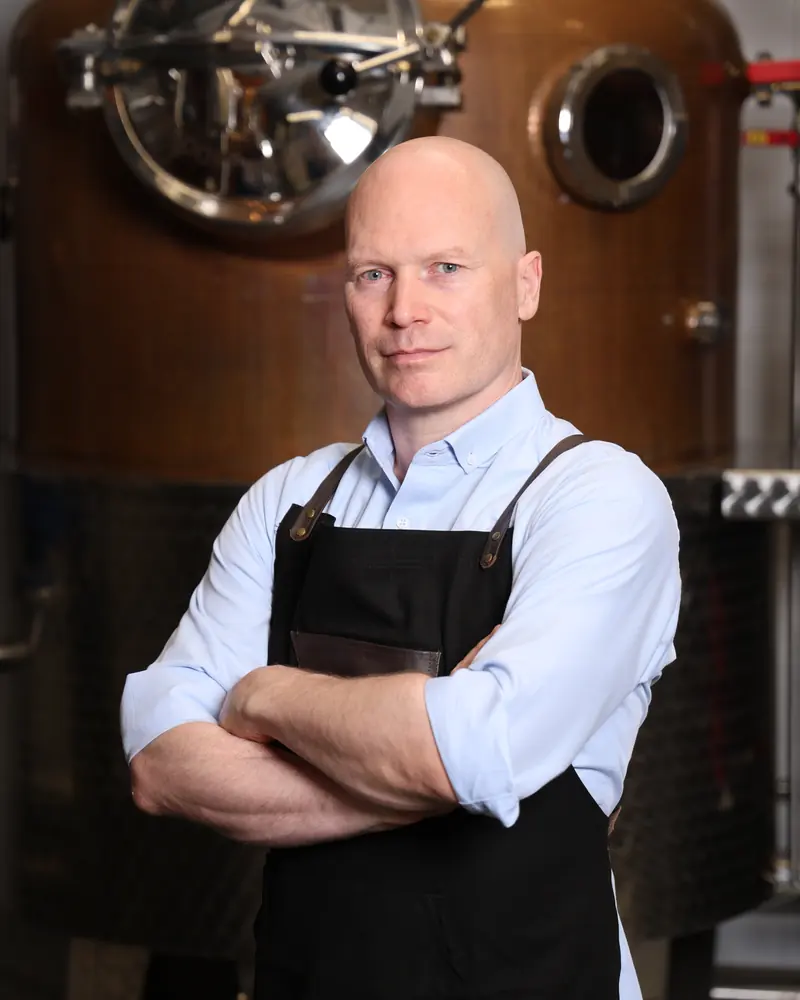
Marcel Amann in front of a copper still in the distillery
Marcel Amann — The Beverage Engineer
Head Heart

Head — Engineering Every recipe is a system: documented, scalable, repeatable — down to a tenth of a gram.

Heart — Sensory work And in the end, the first sip decides. I keep developing until it lands.

What I develop for you

Three ways to work together

Recipe development

Gin, liqueur, wine specialities or functional drinks: your drink from the first idea to a production-ready recipe — including sensory work and both Swiss and EU regulatory requirements.

Start a project

Non-alcoholic lines

Whisky, gin and liqueur without alcohol — based on a proprietary process that gives drinks their character back. For brands that want to own the fastest-growing category.

Start a project

All the way to market

Scaling the recipe, coordinating the bottler, labelling and launch support — so the recipe becomes a product on the shelf.

Start a project

Lake Side Valley Products

Own products · stories, specifications and direct purchase paths
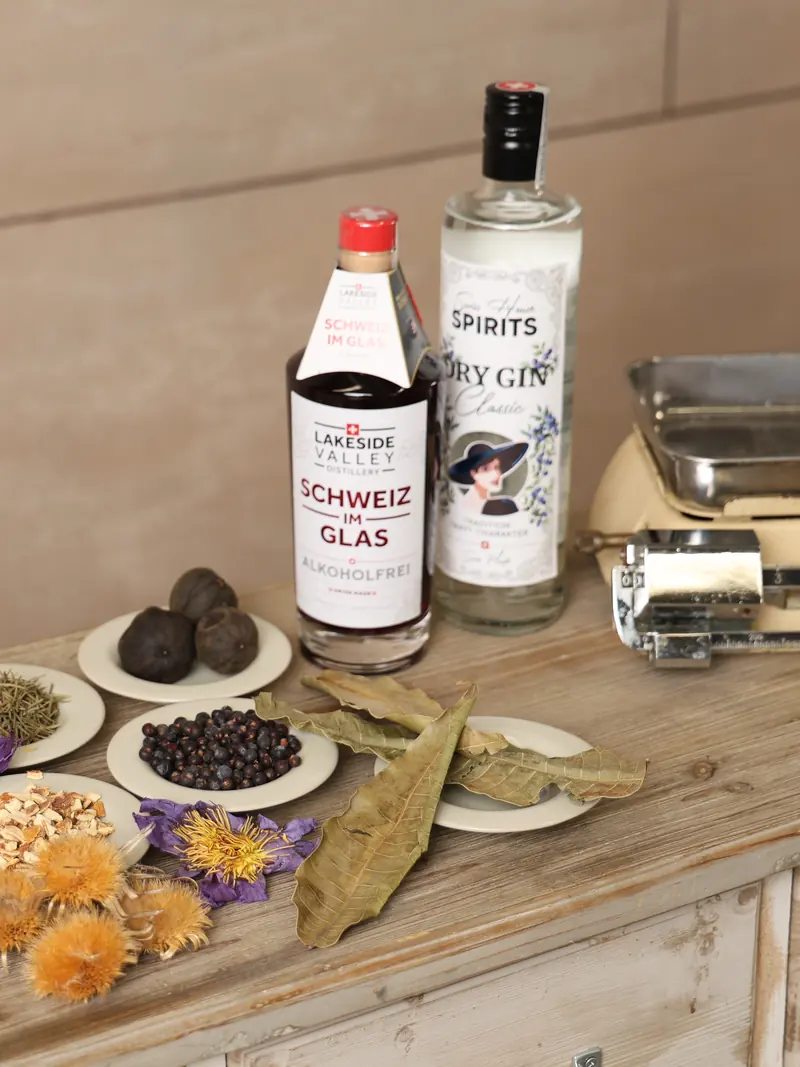
Schweiz im Glas Dry Gin turns Swiss-flag red when tonic is added LSV-01

Schweiz im Glas — Dry Gin

500 ml · 42% vol

Almost black in the glass, then bright Swiss-flag red when tonic is added. Aronia berry, juniper and alpine herbs shape a recipe of twelve botanicals. The set contains one 500 ml bottle, two Chrüzli tumblers and an ice mould.

12 BotanicalsDry GinSwiss Made
Where to buy ↗
Marcel Amann holding a bottle of alcohol-free Schweiz im Glas LSV-02

Schweiz im Glas — 0.0%

500 ml · 0.0% vol

The colour-changing idea translated into an alcohol-free recipe: twelve botanicals based on the original Aronia Dry Gin, developed for tonic and cocktails. The set contains one 500 ml bottle, two Chrüzli tumblers and an ice mould.

0.0% vol12 BotanicalsAlcohol-free
Where to buy ↗
Greenkeeper Cannabis Dry Gin bottle LSV-03

Greenkeeper Cannabis Dry Gin

500 ml · 42.0% vol

A soft, velvety gin built around cannabis, juniper, blueberry, wormwood and nettle. Five leading botanicals appear on the bottle as a reference to the five senses; the full recipe brings together thirteen botanicals.

13 BotanicalsDry GinSoft & herbal
Where to buy ↗
Swiss House Spirits alcohol-free aperitif LSV-04

Apero Alcohol-Free

700 ml · alcohol-free

Orange and strawberry lead this full-bodied aperitif, developed directly from the original Apero recipe. Serve it with tonic or alcohol-free sparkling wine for a bright, bittersweet spritz.

Alcohol-freeOrangeStrawberry
Where to buy ↗
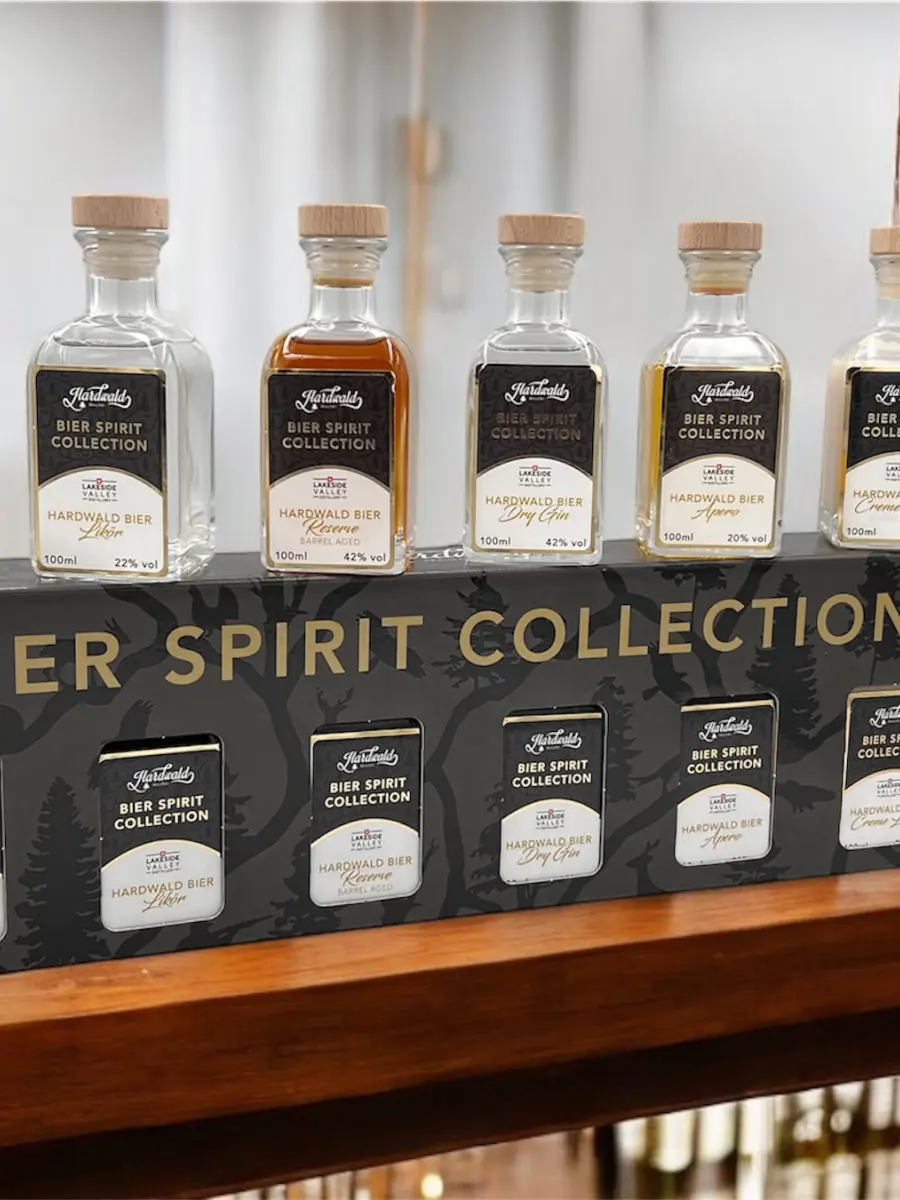
Hardwald Bier Spirit Collection in its presentation box LSV-05

Hardwald Bier Spirit Collection

6 × 100 ml

One naturally cloudy Glattgold lager becomes six distinct spirits. The collection explores how a single beer base can move from its original character into botanical and distilled interpretations — six 100 ml bottles in one presentation box.

6 × 100 mlGlattgoldGift set
Where to buy ↗
Lake Side Valley mulled wine after a family recipe from the 1920s LSV-06

Mulled Wine After Great-Aunt's Recipe

10% vol · family recipe

A family recipe from the 1920s, once enjoyed warm in winter and mixed with lemon soda as a wine spritzer in spring. Today it combines locally sourced red wine with spices from controlled organic cultivation.

1920s recipeOrganic spicesRed wine
Where to buy ↗

From briefing to bottle

Typical project duration: 6–16 weeks
01

Briefing

Target audience, occasion, price point, regulations. You tell me where the drink should go — I tell you what is possible.

02

Recipe in the lab

Development in Zurich with access to thousands of ingredients — from selecting the botanicals to fine-tuning the aromatics.

03

Sensory work & iteration

Tasting samples, feedback rounds, readjustment — until the profile is exactly right.

04

Production readiness

Scaling the recipe, coordinating the bottler, labelling and handover — including Swiss and EU requirements.

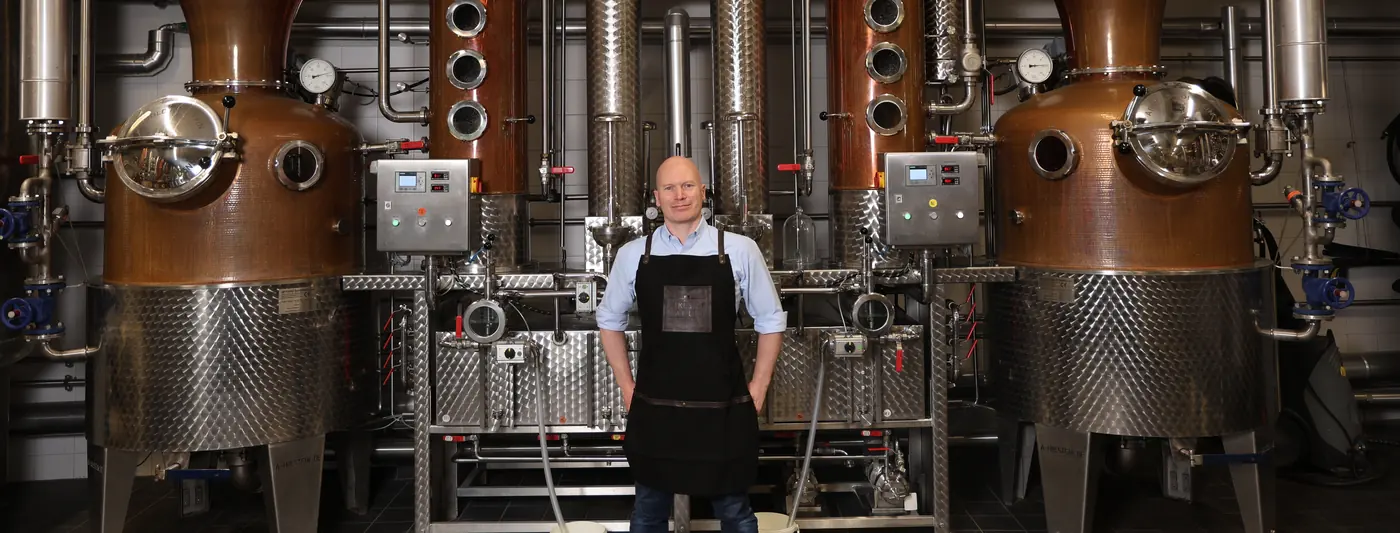
Marcel Amann between the copper stills of the distillery
Fig. 1 — In the distillery: where recipes scale

Selected innovations

Development projects · own processes, recipes and product concepts

Since May 2021 I have developed more than 200 drinks and spirits — classic gins and spirits, alcohol-free alternatives, functional drinks, beer spirits and entirely new product concepts.

Good taste is only part of it. A development that works ties recipe, raw materials, technology, sensory profile, design and the story of a product into one experience.

What follows is a selection that stands out to me — because of an unusual idea, a new technical solution, or a particular link between flavour and design.

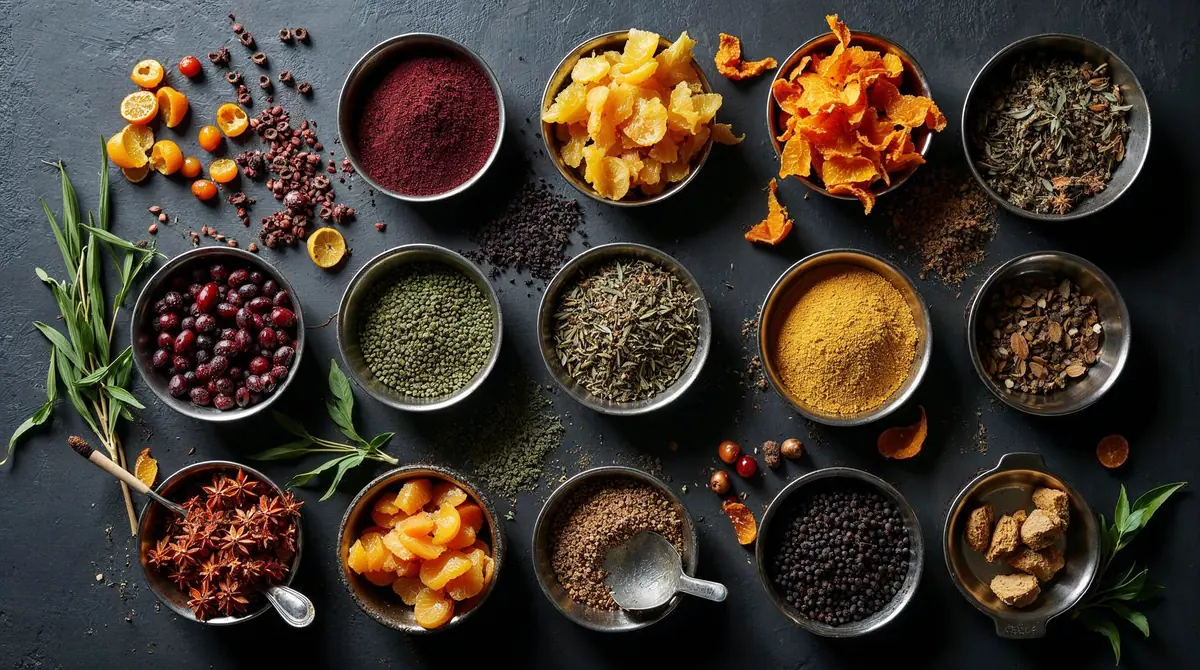
Botanicals from the collection used in recipe development
1,001+

Botanicals — a world of flavour

Over the years a collection of more than 1,000 different botanicals from nearly every part of the world has come together. Each plant brings its own combination of aroma, taste, texture and character. For my work this is less a collection than a library of flavour — and the basis for developing individual taste profiles.

IN Gredient alcohol-free spirit technology in development INN-01

IN Gredient — alcohol-free, engineered

Since Sept 2022 · own technology

A technology for alcohol-free spirits that keeps taste, aroma and mouthfeel close to the alcoholic original — without sugar as a crutch and without conventional artificial flavouring. Shelf life was the hardest part, since alcohol also acts as a preservative. The first 0.0% gin alternative launched in June 2023 for Bergbahnen Engelberg TITLIS; residual sugar was cut further in 2024, a base recipe for the sensory impression of alcohol followed in 2024–2025, and solutions for alcohol-free wine and beer are in development for 2026. IN Gredient AG was founded in mid-2026 to prepare production and commercialisation.

0.0% volOwn technologyIN Gredient AG Placeholder image
TITLIS gin collection, six bottles forming one panorama INN-02

TITLIS Gin Collection

Six bottles · one recipe base

One alpine gin recipe for the TITLIS Bergbahnen and Hotel Terrace in Engelberg, developed into a full collection: London Dry, an alcohol-free version, a Reserve at 57% vol, an Old Tom with a louche effect and a gin liqueur. Across the six bottles a continuous 360° mountain panorama is built up in porcelain paint — from Hotel Terrace past the golf course and the 2,428 m viewpoint to the Titlis at 3,238 m, on to Trübsee and down to the valley station. Each bottle was decorated and fired by hand.

6 interpretations57% vol ReserveHand-fired Placeholder image
Beer Spirit Collection, six spirits distilled from one pilsner INN-03

Bier Spirit Collection

Six spirits · one beer base

A pilsner was brewed and then distilled; from that single beer spirit six distinct products were developed. 01 Bier Spirit at 42% vol, neat or with tonic. 02 Bier Likör at 22% vol, a sweeter reading. 03 Bier Reserve, aged in French oak, which changes colour, structure and aroma. 04 Bier Dry Gin — beer spirit, juniper and botanicals with no added sugar. 05 Bier Apero, Italian herbs on a beer-spirit base. 06 Bier Creme Likör with cream and real vanilla. One base, six completely different results.

6 products42% volFrench oak
VEY spirit developed from lactose fermentation INN-04

VEY — from lactose to ethanol

2023 · VEY Holding AG

A technology for converting lactose to ethanol more efficiently, developed in 2023, with VEY Holding AG founded around it. The goal was an ethanol carrying as few unwanted congeners as possible. Out of that process came a spirit in its own right: VEY, which reads as a dark spirit with caramel and sweet notes. During further research a second application became interesting — lactose as a feedstock for Sustainable Aviation Fuel (SAF), connecting beverage technology, fermentation and renewable raw materials.

Own processDark spiritSAF research Placeholder image
KYO and SHIMA London Dry Gin served with tonic INN-05

KYO & SHIMA — Japanese botanicals

Two London Dry Gins

Both gins are built on botanicals sourced directly from Japan. For KYO a dedicated maceration technique was developed to capture the character of the Japanese Kyoho grape. SHIMA rests on eight botanicals, among them Japanese yuzu peel and jasmine blossom. The packaging drops the conventional label entirely: the bottles were colour-coated in small batches and printed directly.

Japanese botanicals8 botanicalsPrinted bottle
LDV L Eau de Vodka served in a coupe INN-06

LDV — L’Eau de Vodka

700 ml · 151 hand-set crystals

A vodka from 100% wheat, refined with lime peel. The bottle was selected specifically for the project and carries an unusual closure set with 151 hand-mounted crystals. The recipe was only one half of the work: the aim was a product where taste, material, feel and presentation together produce the experience.

100% wheat151 crystals700 ml
London Dry Gin developed for Grand Hotel National Lucerne INN-07

Grand Hotel National Luzern

London Dry Gin · house commission

A London Dry Gin built on a clear regional concept: botanicals from Central Switzerland alongside ingredients from regional organic Knospe producers. The bottle became part of the development — an unusual flat-round glass form finished with a three-dimensional porcelain-paint design, applied by hand and fired at around 800 °C.

Central Swiss botanicalsOrganic KnospeFired at 800 °C Placeholder image
AUMAR longevity essentials development project INN-08

AUMAR — Longevity Essentials

Six functional drinks · in build-up

A development project at the intersection of beverage, function and lifestyle. The brief: six different drinks with six different functional focuses, which meant researching new raw materials, novel ingredients and specialised manufacturers. The recipe was not the whole task — bottle and closure were developed specifically for the concept and form part of the product experience. The products are still in build-up; further detail follows after release.

6 drinksFunctionalIn development Placeholder image
A drink is a recipe. A recipe is engineering. Hence: The Beverage Engineer.

The engineer behind it

Space was my first passion. Beverage innovation became my profession.

My path led from aerospace studies and years as a tech entrepreneur into beverage development — with the same mindset: a drink is a recipe, a recipe is engineering. Over 200 projects later, my references range from an organic mulled wine based on a 1920s family recipe to non-alcoholic spirits that simply did not exist before.

Development happens in my lab in Zurich; production runs with partners in Switzerland and Germany. I am commissioned by distilleries, breweries, hotels, clubs and brands — always when the drink is not meant to come out of a catalogue.

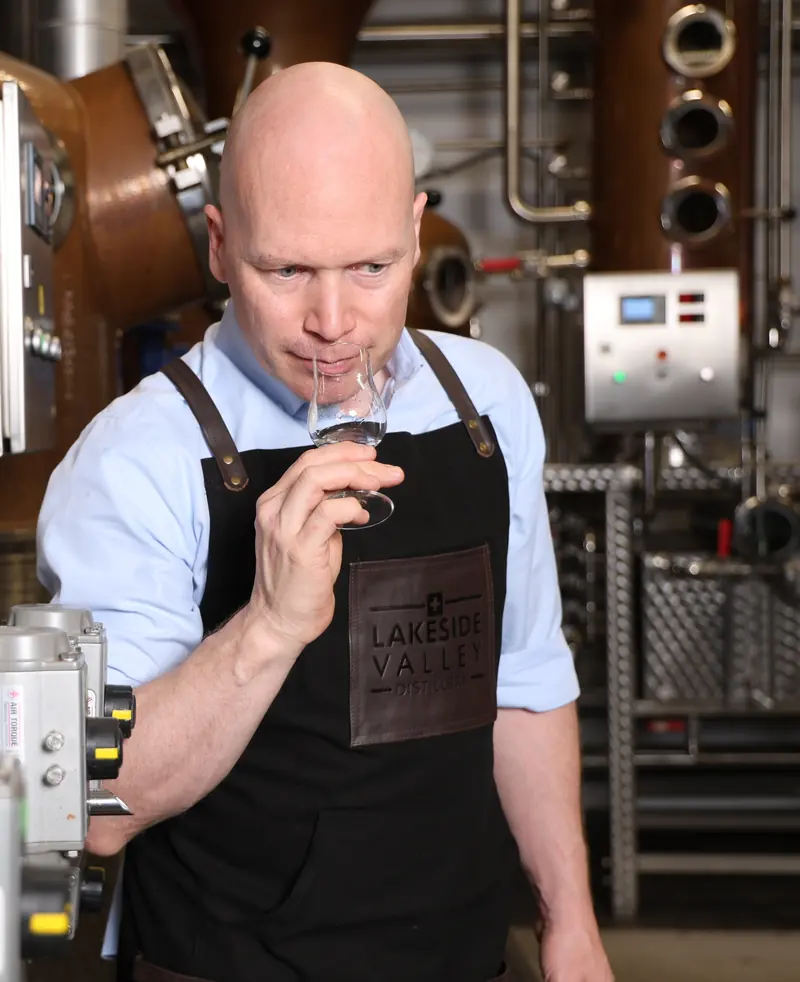
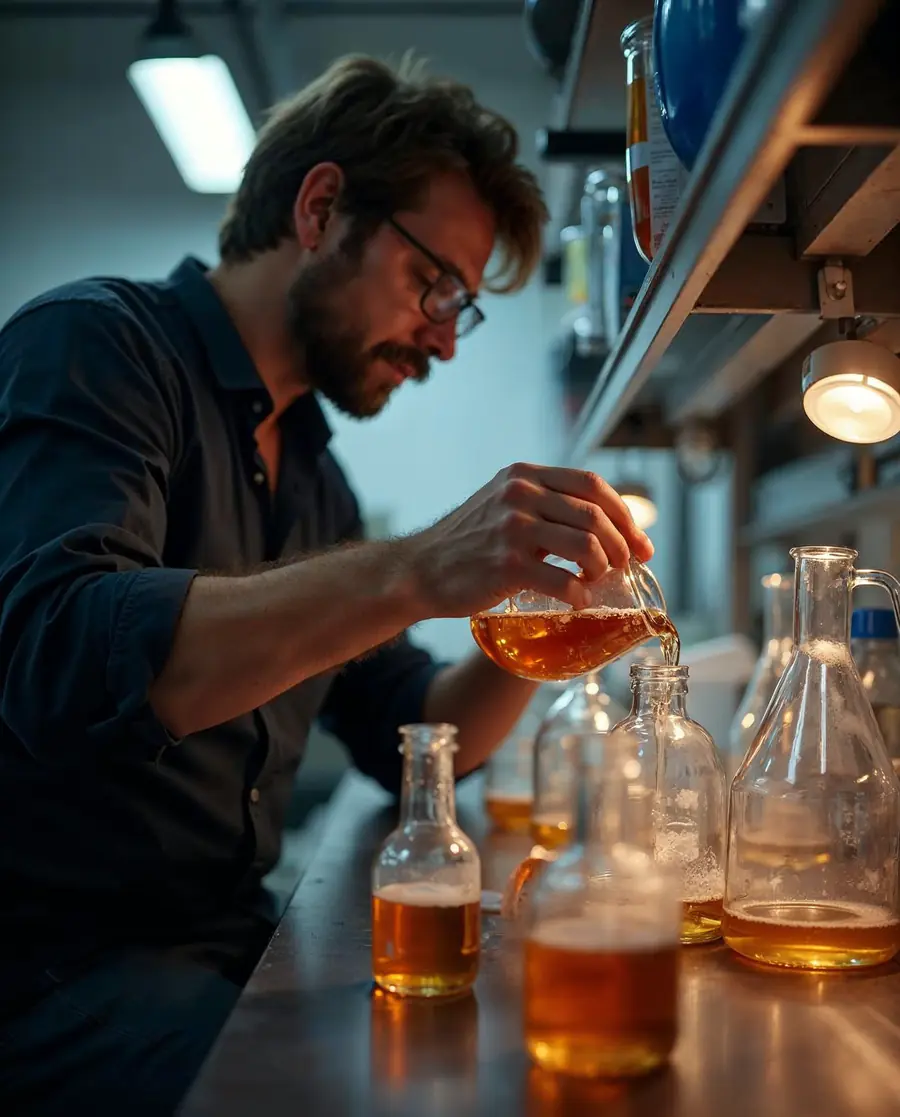
Marcel Amann checking a distillate in a nosing glass
Fig. 2 — Sensory work: the drop that decides

Career path

From aerospace studies to the beverage lab
School years

The boy who wants to build rockets

At thirteen, a conversation with his physics teacher turns an early fascination into a clear goal: aerospace.

Studies

Aerospace engineering

Aerospace studies establish the method that still shapes his work: understand systems, document precisely and leave nothing to chance.

Tech years

Founder in the software business

Years in software and an AI authentication venture sharpen his entrepreneurial perspective — and the wish to master a tangible product from A to Z.

The switch

Lakeside Valley on Lake Lucerne

Lake Side Valley becomes the proving ground for his own recipes and brands, produced with partners in Switzerland and Germany.

2022

A new category emerges

The hemp gin establishes a beverage category that did not exist before — CHF 125,000 in revenue within three months, with no advertising.

2023

Die Höhle der Löwen Schweiz

On the Swiss version of Dragons' Den, he wins the lions over with “Die Schweiz im Glas” — the gin that changes colour when tonic is added: a CHF 200,000 deal. His gins are served at the Swiss Federal Parliament and in grand hotels.

2024

Egg liqueur “Ekstase”

Launched via a weekly video series: €29,100 in revenue within three months — without a single franc of ad budget.

2025

Duty-free France & In-Gredient

The diamond gin LDV is listed for French airports. In parallel, In-Gredient AG is founded: non-alcoholic spirits based on a proprietary process, backed by a US investor.

200+
Recipes developed
125k
CHF in revenue in 3 months — with a newly created category
14
Own product lines, alcoholic & non-alcoholic
151
Hand-set crystals on a single bottle

From client mail

Sent unprompted
The best egg liqueur I have ever tasted in my life.

Client email after ordering, 2025

There is nothing else that tastes like this. He invented a category — and we put it on our menu immediately.

Bar operator, Switzerland

In the Press
CHF 200,000 investment on Die Höhle der Löwen Schweiz (the Swiss Dragons' Den) · gins served at the Swiss Federal Parliament and in Swiss grand hotels

Let's develop your next drink.

Describe what you have in mind — you will receive an honest assessment within two working days on whether it is worth pursuing.

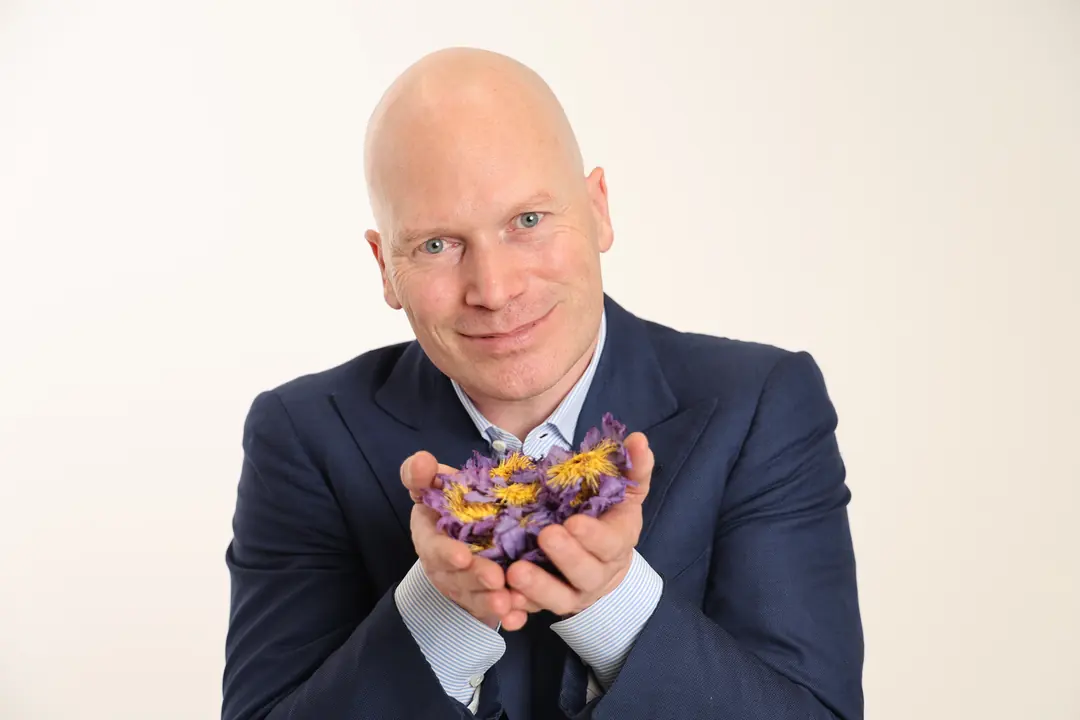
Marcel Amann holding dried blue lotus flowers

Your details are used only to handle your enquiry. More in the privacy policy.

Spam-protected · reply within 2 working days

Frequently asked questions

What does developing a drink cost?
A full recipe development up to production readiness is a five-figure project — depending on category, depth of iteration and regulatory requirements. In our first conversation you will get a clear assessment of whether and how your plan can be realised.
How long does a project take?
From briefing to a production-ready recipe, typically 6 to 16 weeks — depending on category, sample cycles and the availability of ingredients.
Do you also develop non-alcoholic drinks?
Yes — non-alcoholic spirits are a core focus. The basis is a proprietary process that lets whisky, gin or liqueur keep their character without alcohol. Six non-alcoholic lines are already on the market.
Who owns the finished recipe?
That is agreed contractually for each project — from an exclusive transfer through to a licensing model. Confidentiality is standard in every case.
Do you also work with clients outside Switzerland?
Yes. Development happens in Zurich, production with partners in Switzerland and the EU — clients come from across the German-speaking region and well beyond it.